Germany's Building Modernisation Act (GModG) replaced the Building Energy Act (GEG) on 29 July 2026. Two changes matter most for non-residential buildings: the building automation threshold falls from 290 kW in the old § 71a to 70 kW in the new § 56, and for the first time the act contains an obligation for automatic lighting control. The deadline is 31 December 2029. General information, not legal advice.
GEG and GModG compared
| Topic | GEG (until 28 July 2026) | GModG (since 29 July 2026) |
|---|---|---|
| Building automation rule | § 71a | § 56 |
| Threshold, existing buildings | above 290 kW | above 70 kW |
| Deadline, existing buildings | 31 December 2024 | 31 December 2029 |
| Lighting control | no separate obligation in § 71a | obligation under § 56 (6) |
| New builds | building automation from 290 kW | class C from 70 kW, class B from 290 kW |
| Fine | under § 108 | under § 108 for § 56 (1), up to €5,000 |
The changes to heating replacement, namely dropping the 65% requirement in the former §§ 71 to 73, get most of the media attention. For operators of offices, halls and shops, § 56 is often the bigger task because it covers far more buildings.
What does this mean for buildings already above 290 kW?
Under the old § 71a, buildings above 290 kW were already meant to have building automation by the end of 2024. They are also above the new threshold and remain within the scope of the new § 56. Check whether your existing technology covers the functions in § 56 (2), and look at the lighting separately, as that is a new addition.
For systems from the three years before 1 January 2027 that don't meet the requirements, § 56 (4) gives ten more years. This concerns the building automation system. Lighting control under paragraph (6) should be considered separately.
What stays the same?
- Responsibility still lies with the developer or owner (§ 8).
- The economic viability principle in § 5 continues to apply, as does the waiver option in § 102. See GModG exemptions and waivers.
- The standards for energy balancing remain important.
Why it is worth looking at the lighting
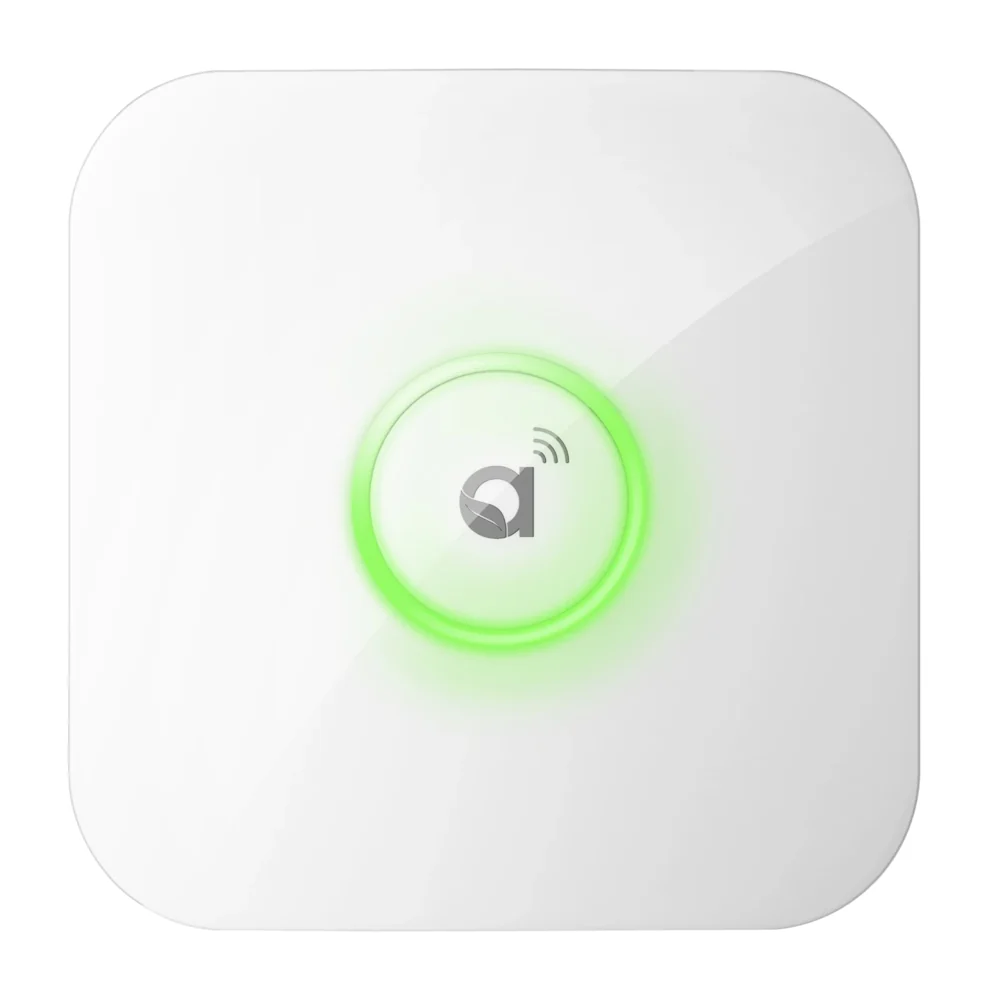
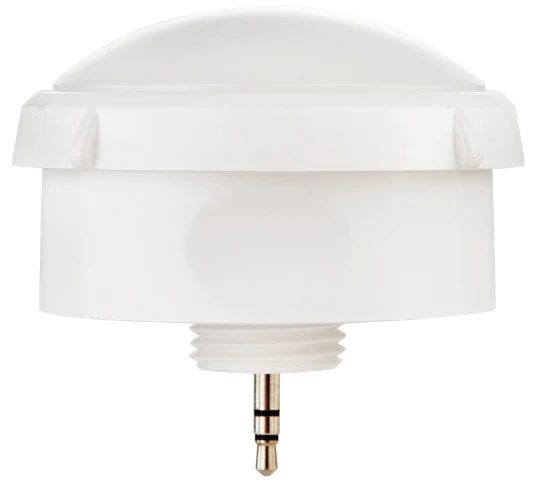
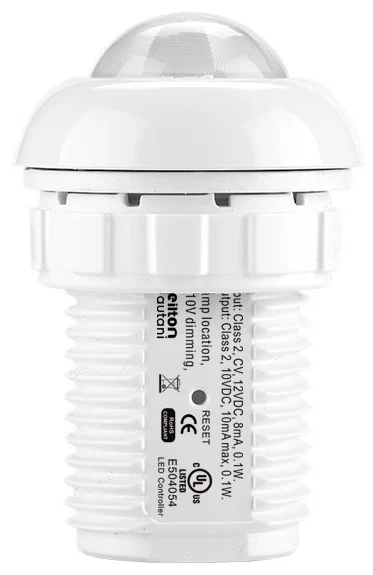
In many non-residential buildings, lighting is the easiest part of § 56 to implement. It can be retrofitted wirelessly without touching heating or ventilation, and it cuts electricity use immediately. Existing luminaires can often stay, see Retrofitting lighting controls. The sensors also supply occupancy and consumption data that is useful for building automation.
The fact that paragraph (6) carries no fine according to its wording is no reason to wait: the obligation still applies, and every year without control costs electricity you could save. The savings calculator shows your potential.
Which buildings are newly affected?
The lower threshold brings far more buildings into scope than before, such as medium-sized office buildings, logistics halls, stores and production sites with a corresponding heating, air-conditioning or combined ventilation system. The rated output per system is what counts. If you had nothing to do with this before because your system is between 70 and 290 kW, check now. There is advice for logistics, industry, offices and retail.
What you should do now
- Check the rated output of your systems.
- Review existing documents and plans for old references to § 71a and 290 kW.
- Plan lighting and building automation together.
- Clarify funding before placing an order.
How we can help
We implement the lighting part of § 56 from one source: site survey, planning in Sensora, usually also installation and commissioning, with monitoring included. Find out more under GModG lighting, or read the overview of the Building Modernisation Act.
Frequently asked questions
Does the GEG still apply?
The GEG was renamed and amended. Since 29 July 2026 it has been called the Building Modernisation Act (GModG).
Where can I find the old § 71a GEG?
The building automation rules are now in § 56 GModG, with a new 70 kW threshold and an additional obligation for lighting control.
Is the lighting control obligation really new?
As a separate obligation, yes. § 56 (6) requires it by 31 December 2029 for non-residential buildings with systems above 70 kW.
Do I have to act now if the deadline is 2029?
You don't have to, but it pays off: savings start with commissioning, and planning and implementation need lead time.